How to Start Lifting Weights Safely and Effectively
Strength training can seem intimidating for beginners. The gym is filled with complex machines, heavy barbells, and experienced lifters who make it all look effortless. But here’s the truth: everyone starts somewhere. Whether your goal is to build muscle, lose fat, improve athletic performance, or simply feel healthier, strength training is one of the most effective tools available.
In this guide, you’ll learn exactly how to start lifting weights safely and effectively. We’ll cover everything from choosing the right exercises and creating a workout plan, to avoiding injuries and making consistent progress. By the end, you’ll have the knowledge and confidence to step into the gym—or train at home—with purpose.
In This Article
- Why Strength Training is Essential
- Common Myths About Lifting Weights
- Strength Training Basics: How Muscles Grow
- Essential Equipment for Beginners
- Safety First: Preventing Injuries
- The Big 5 Lifts Every Beginner Should Learn
- How to Build a Beginner Workout Plan
- Sets, Reps, and Rest Explained
- Proper Warm-Up and Cool-Down Techniques
- Tracking Progress and Progressive Overload
- Nutrition for Strength Training Beginners
- Supplements That Can Help
- Common Mistakes to Avoid
- Training at Home vs. Training at the Gym
- Staying Consistent and Motivated
- FAQs for Beginner Lifters
- Conclusion & Next Steps
Why Strength Training is Essential
Strength training offers benefits beyond just building muscle:
- Increases metabolism (more calories burned at rest)
- Strengthens bones and joints
- Improves posture and mobility
- Boosts confidence and mental health
For beginners, it’s one of the most efficient ways to improve overall health and fitness.
Common Myths About Lifting Weights
- “Lifting makes women bulky.” False. Women generally don’t produce enough testosterone to bulk up like men.
- “You have to lift heavy to see results.” Not true—progressive overload matters more than absolute weight.
- “Strength training is unsafe.” When done with proper form, it reduces injury risk.
Strength Training Basics: How Muscles Grow
Strength training works by creating small tears in muscle fibers. During recovery, these fibers repair and grow stronger—a process called hypertrophy.
Key principles:
- Progressive overload: Gradually increase resistance over time.
- Recovery: Muscles grow during rest, not during training.
- Consistency: Regular training builds long-term results.
Essential Equipment for Beginners
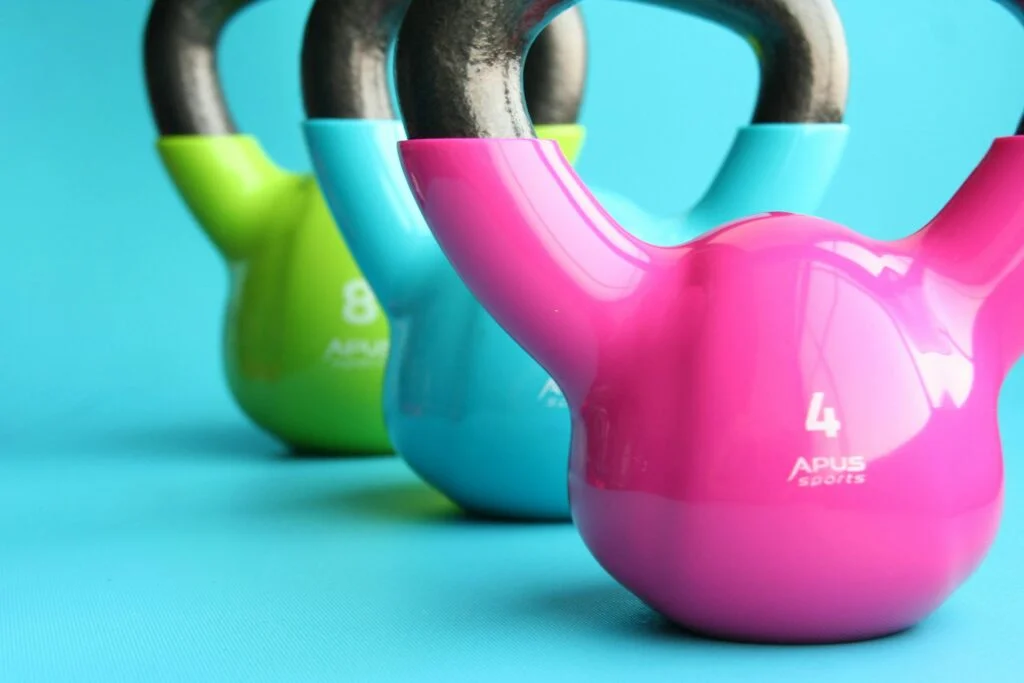
You don’t need a fancy gym to start. Basic equipment includes:
- Dumbbells (adjustable sets are great for home use)
- Barbell + weight plates (optional for beginners)
- Resistance bands
- Bench or stability ball
- Pull-up bar
👉 Affiliate opportunity: beginner dumbbell sets, resistance bands.
Safety First: Preventing Injuries
- Learn proper form first (consider a trainer or instructional videos).
- Start light: Focus on technique before increasing weight.
- Warm up: Always prepare your body with dynamic stretches and light cardio.
- Don’t ignore pain: Discomfort from effort is normal; sharp pain is not.
The Big 5 Lifts Every Beginner Should Learn
These compound movements train multiple muscles at once:
- Squat (legs, core, glutes)
- Deadlift (hamstrings, glutes, back)
- Bench Press (chest, shoulders, triceps)
- Overhead Press (shoulders, triceps)
- Row (back, biceps)
Mastering these lifts provides a strong foundation for all training.
How to Build a Beginner Workout Plan
A simple 3-day per week full-body routine works best for most beginners:
Example Plan:
- Squat: 3×8–10
- Bench Press: 3×8–10
- Bent-Over Row: 3×8–10
- Overhead Press: 2×10–12
- Deadlift: 2×6–8
- Accessory (biceps, triceps, abs): 2×12–15
Sets, Reps, and Rest Explained
- Reps (repetitions): Number of times you perform the exercise.
- Sets: Groups of reps.
- Rest: Time between sets.
For beginners:
- 8–12 reps per set is ideal for building strength and muscle.
- 1–2 minutes rest between sets.
Proper Warm-Up and Cool-Down Techniques
- Warm-up: 5 minutes light cardio + dynamic stretches + 1–2 light sets of the first exercise.
- Cool-down: Light stretching, foam rolling.
👉 Affiliate opportunity: foam rollers, massage guns.
Tracking Progress and Progressive Overload
- Keep a workout log (weights, reps, sets).
- Increase weights gradually—2.5–5 lbs per week if form is solid.
- Other ways to progress: more reps, slower tempo, shorter rest.
Nutrition for Strength Training Beginners
- Protein: Aim for 1.6–2.2 g per kg bodyweight daily.
- Carbs: Primary fuel source for lifting.
- Healthy fats: Support hormones.
- Stay hydrated!
👉 Affiliate opportunity: protein powders, meal prep containers.
Supplements That Can Help
Not required, but helpful:
- Whey protein: Convenient protein source.
- Creatine: Supports strength and muscle growth.
- Pre-workout: Boosts energy and focus.
Common Mistakes to Avoid
- Lifting too heavy too soon
- Skipping warm-ups
- Poor form and technique
- Not following a structured plan
- Inconsistent training and poor recovery
Training at Home vs. Training at the Gym
- Home training: More flexible, requires minimal equipment (dumbbells, bands).
- Gym training: Access to machines and heavier weights, structured environment.
👉 Affiliate opportunity: adjustable dumbbell sets for home training.
Staying Consistent and Motivated
- Set SMART goals (Specific, Measurable, Achievable, Relevant, Time-bound).
- Track your progress visually (photos, logs).
- Find a training buddy or coach.
- Reward small milestones.
FAQs for Beginner Lifters
Q: How many days per week should I lift?
3 days per week is ideal for most beginners.
Q: How soon will I see results?
Strength increases in 2–4 weeks, visible muscle growth in 8–12 weeks.
Q: Should I do cardio too?
Yes—combine strength training with cardio for overall health.
Q: Can I train the same muscle every day?
No—muscles need 48 hours to recover.
Conclusion & Next Steps
Starting strength training as a beginner is exciting—and a bit overwhelming. But by focusing on form, consistency, and gradual progress, you’ll build strength, muscle, and confidence safely.
Remember:
- Start with the basics (squat, deadlift, bench, press, row).
- Keep workouts simple and track progress.
- Fuel your body with protein-rich nutrition.
- Be patient—results come with time and consistency.
👉 Ready to get started? Grab a set of beginner dumbbells, a resistance band kit, and a pair of workout gloves to kick off your strength training journey today (affiliate opportunity).